Charting Bonus Activation Routes Across Mobile Interfaces with Integrated Dealer Sessions and Verified Transfer Protocols
Written by Ines Krüger · Aug 12, 2026
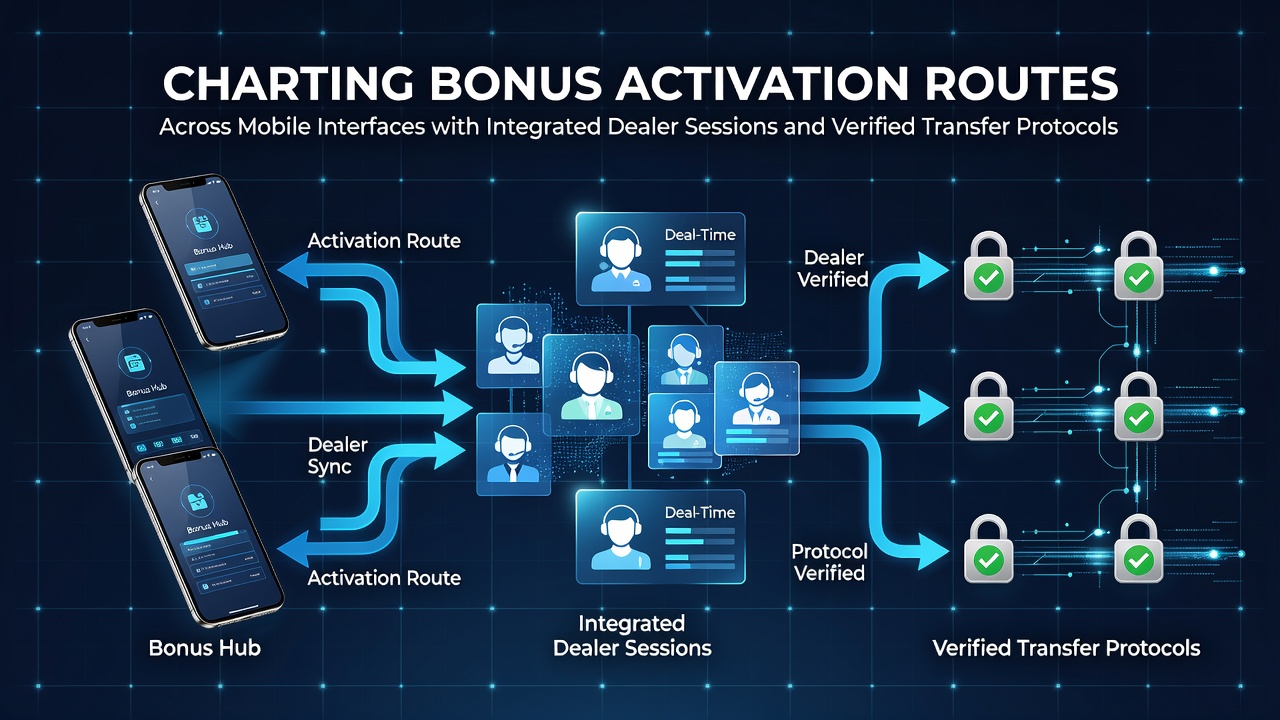
Charting Bonus Activation Routes Across Mobile Interfaces with Integrated Dealer Sessions and Verified Transfer Protocols
Platform developers have mapped distinct activation sequences that guide users through bonus claims while embedding live dealer sessions and secure transfer checks, and these sequences rely on layered interface designs that connect touch-based navigation wth backend verification systems. Data from multiple industry analyses shows that mobile applications now prioritize sequential prompts which appear after initial deposits, directing players toward live tables where bonus multipliers apply directly to ongoing rounds. Observers note that such routes reduce friction by merging promotional triggers with real-time game participation, allowing seamless shifts from static menu selections to interactive dealer environments without separate logins or redirects.
Mapping Core Activation Sequences in Mobile Environments
Engineers structure these pathways as branching decision trees that respond to user inputs like deposit amounts or session durations, and the trees incorporate conditional branches that unlock bonus tiers only after verified dealer interactions complete. Research indicates that applications built on unified protocols achieve higher completion rates because they synchronize bonus timers with live session lengths, preventing premature expirations that occur when separate systems handle promotions and gameplay. Those who have examined user flow metrics report that visual indicators such as progress bars update in real time, reflecting both bonus status and dealer table availability across different device orientations.
Integration points between mobile menus and dealer streams often use API handshakes that confirm eligibility before granting access, while additional safeguards scan device fingerprints to maintain consistency across sessions. Figures from platform audits reveal that these handshakes complete in under two seconds on average when networks maintain stable connections, and the efficiency stems from pre-cached dealer stream data that loads alongside bonus terms. Experts have observed that players encounter fewer interruptions when the interface presents dealer options immediately after the first bonus step rather than requiring navigation to a dedicated lobby.
Embedding Live Dealer Sessions Within Bonus Pathways
Live dealer modules now function as central nodes in activation routes, meaning bonus credits activate only when users join specific table types that support promotional overlays. Developers achieve this by embedding session identifiers into the bonus claim process, which then cross-reference against dealer software to confirm participation before releasing funds or spins. Studies conducted across various markets demonstrate that this embedding increases engagement duration because players remain within one continuous flow instead of switching between promotional screens and game clients.
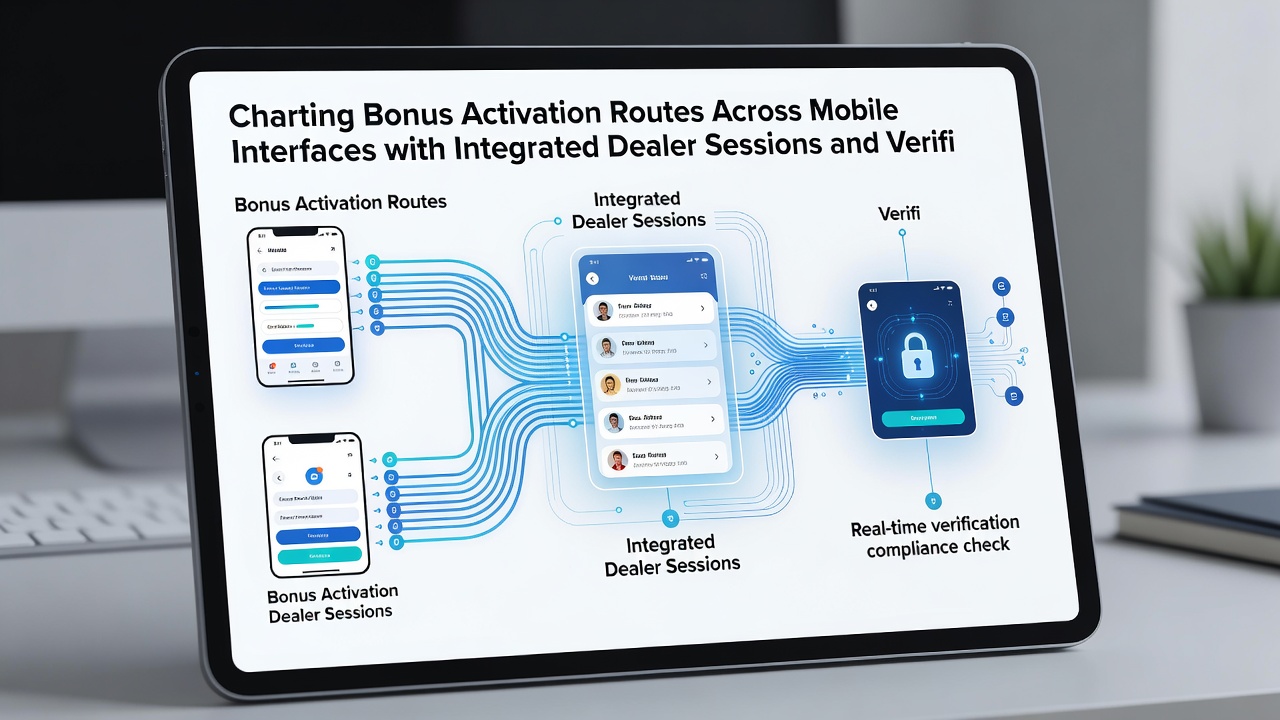
Protocols require that dealer sessions record timestamps and outcome hashes which feed back into the bonus engine, and this feedback loop validates that players have met playthrough conditions tied to the promotion. In August 2026, several major software providers released updated modules that allow simultaneous tracking of multiple dealer tables within a single bonus route, enabling users to switch games while preserving accumulated progress. Those who analyzed early adoption data found that such multi-table support reduced drop-off rates by approximately 18 percent in test environments.
Implementing Verified Transfer Protocols Across Routes
Transfer verification layers sit at the end of each activation sequence, confirming that bonus-related funds move through encrypted channels before becoming available for withdrawal or further play. These layers employ token-based authentication that matches user identity markers with transaction logs generated during dealer sessions, and the matching process occurs automatically once a session concludes. Industry reports from the Nevada Gaming Control Board highlight how standardized verification schemas have reduced reconciliation errors between mobile frontends and payment processors.
Additional checkpoints within the protocols cross-check bonus codes against session metadata to block duplicate claims, while real-time alerts notify users if a transfer awaits secondary confirmation. Data compiled by the International Association of Gaming Regulators shows that jurisdictions adopting unified verification standards recorded faster average settlement times for mobile-initiated bonuses during the first half of 2026. The architecture supports both fiat and digital currency routes, with each route maintaining separate logging trails that integrate into a central audit dashboard accessible to operators.
Regional Variations in Route Implementation
North American platforms tend to emphasize biometric confirmation steps within the verification segment, whereas European deployments often prioritize session-length requirements tied directly to dealer tables. Australian operators have tested hybrid models that combine both approaches, resulting in routes that adapt dynamically based on detected user location and device type. Observers tracking these differences note that cross-border players encounter standardized fallback pathways that preserve core bonus and dealer integration regardless of primary regulatory framework.
Conclusion
Route charting continues to evolve as interfaces incorporate more granular controls over dealer session timing and transfer confirmations, and the resulting systems deliver structured yet flexible experiences across devices. Ongoing refinements focus on reducing latency between each stage while preserving the integrity of verification processes that underpin the entire sequence.