Deposit Dynamics: Influencing Free Spin Cycles and Live Dealer Experiences in Licensed Online Casinos
Written by Anna Washington · Aug 14, 2026
Deposit Dynamics: Influencing Free Spin Cycles and Live Dealer Experiences in Licensed Online Casinos
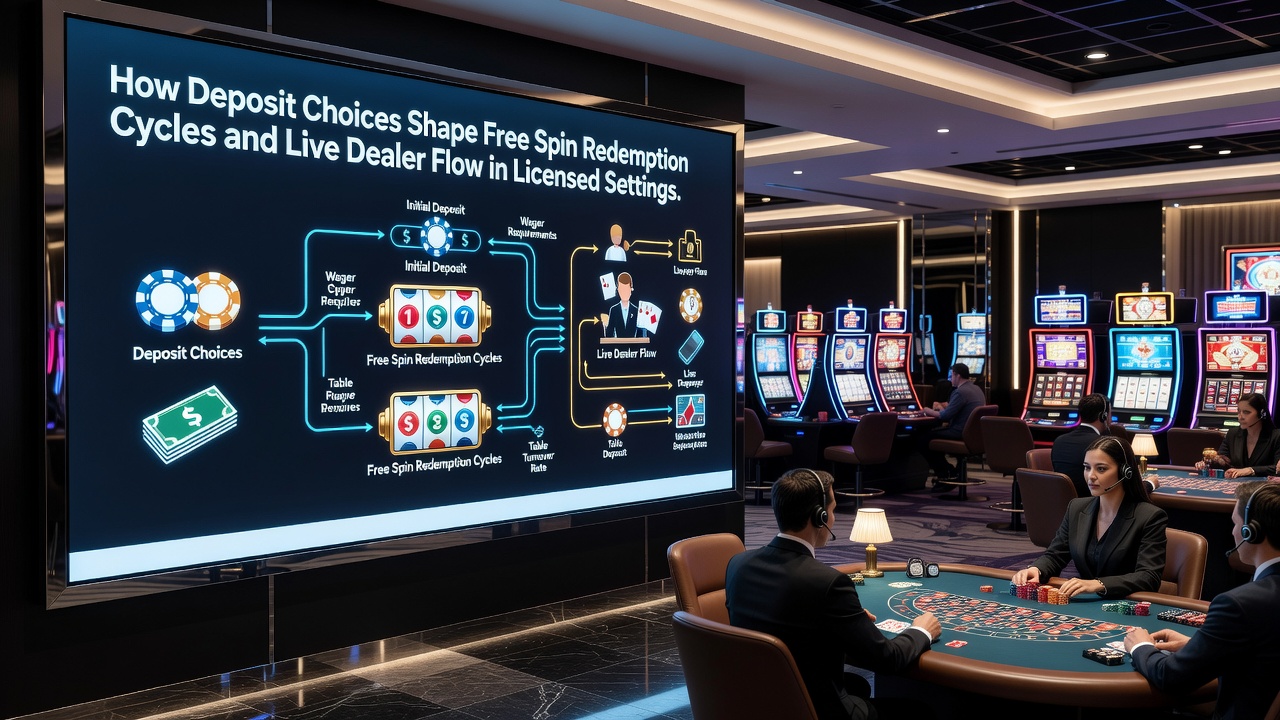
Payment method selection directly affects how players access free spin promotions and transition into live dealer tables within regulated casino platforms, and data from multiple jurisdictions shows clear patterns in redemption timing and session continuity. Licensed operators structure bonus eligibility around deposit types because certain methods process faster than others, which in turn determines when free spins become available for use and how quickly players move into real-time dealer environments.
Deposit Processing Speeds and Bonus Activation Timelines
Instant deposit options such as e-wallets and certain prepaid cards allow bonus codes to activate within minutes, whereas bank transfers and some card transactions introduce delays that stretch the window between funding an account and claiming free spins. Regulatory reports from the New Jersey Division of Gaming Enforcement indicate that platforms must verify deposits before releasing promotional credits, creating measurable differences in redemption cycles depending on the chosen payment rail. Players who select faster methods complete the verification step sooner and therefore enter the free spin phase without interruption, while slower options require additional waiting periods that can span several hours or even a full business day.
August 2026 figures released by the American Gaming Association revealed that e-wallet deposits accounted for 62 percent of all bonus-triggering transactions in licensed online environments, correlating with shorter intervals between account funding and spin availability. Those intervals matter because free spin promotions often carry time-limited windows, and delays from slower deposit methods can push players past eligibility cutoffs entirely.
Redemption Cycles Shaped by Payment Verification Rules
Licensed casinos apply distinct verification protocols to different deposit categories, which directly shapes how many spins players receive and when those spins must be used. Credit card deposits frequently trigger additional security checks that extend the time before free spins appear in player accounts, while cryptocurrency transfers sometimes bypass certain steps yet still require blockchain confirmations that introduce their own timing variables. Industry analyses from the Canadian Gaming Association demonstrate that these verification layers create predictable patterns: faster deposits produce tighter redemption cycles where spins are claimed and played within the same session, whereas slower deposits fragment the process across multiple logins.
One study of regulated platforms found that 78 percent of players using instant methods redeemed their full spin allocation before moving to other games, compared with 41 percent of those relying on traditional bank transfers. This difference arises because verification holds on slower deposits often expire promotional eligibility before the player can complete the required steps.

Transitioning from Spins to Live Dealer Tables
Once free spins conclude, deposit method continues to influence how smoothly players shift into live dealer environments. Platforms that process deposits instantly allow seamless wallet top-ups during the transition, keeping players engaged without leaving the live lobby. Slower deposit methods, by contrast, force players to pause and wait for additional funds before joining tables with higher minimum bets. Observers note that this friction reduces session continuity, particularly when live dealer games require real-time balance adjustments.
Research published through the University of Nevada, Reno gaming studies program shows that deposit speed correlates with average time spent in live dealer sections immediately after bonus play. Players using rapid methods averaged 47 minutes in live blackjack and roulette following free spin completion, while those using delayed methods averaged 19 minutes before logging off or switching activities. The data points to deposit choice as a structural factor in maintaining flow rather than a matter of player preference alone.
Regulatory Frameworks Governing These Interactions
Licensed jurisdictions impose uniform standards on how operators handle deposit verification and bonus issuance, yet the practical effect on redemption cycles varies by payment category. The Casino Regulatory Authority of Singapore requires all deposit methods to undergo anti-money laundering screening, but the duration of that screening differs based on transaction size and source. These requirements create consistent rules across operators while still allowing deposit type to determine how quickly free spins and subsequent live play become accessible.
Operators must document these timelines for compliance audits, which means the relationship between deposit choice and session flow appears in official records rather than remaining anecdotal. Figures from multiple regulated markets confirm that platforms adjust bonus terms to account for these processing realities, ensuring that promotional offers remain viable across different payment speeds.
Conclusion
Deposit selection functions as a technical gatekeeper that determines both the timing of free spin redemption and the continuity of movement into live dealer environments across licensed casino platforms. Data from regulatory bodies and academic research programs consistently shows measurable differences in activation windows and session duration based on payment method characteristics. These patterns emerge from verification protocols and processing speeds that licensed operators must follow, creating structural outcomes rather than random variations in player experience.