Payment Gateway Trends Shape Bonus Redemption Patterns in Online Gaming
Written by Ines Krüger · Aug 7, 2026
Payment Gateway Trends Shape Bonus Redemption Patterns in Online Gaming
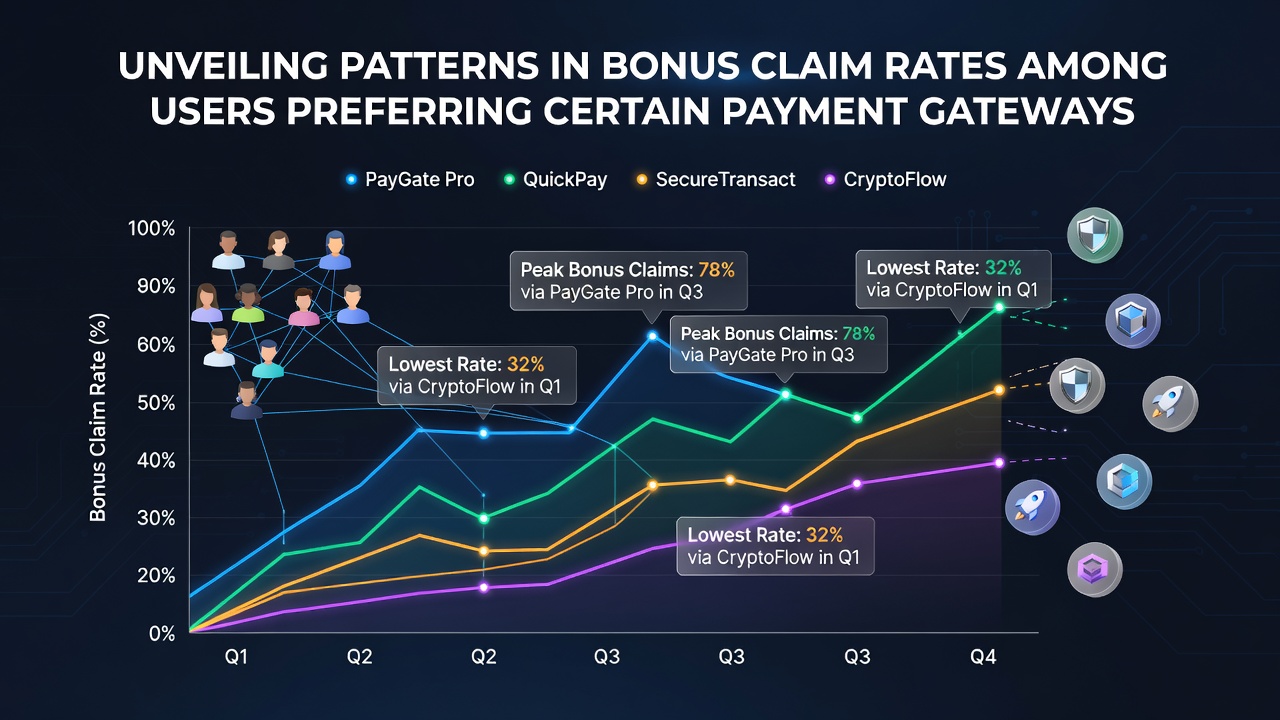
Recent data from digital entertainment platforms shows clear variations in how users activate promotional offers depending on their chosen transaction methods, with patterns emerging across credit cards, e-wallets, bank transfers, and cryptocurrency options throughout 2026. Analysts tracking these behaviors note that certain gateways correlate with higher engagement levels while others lag behind, creating distinct profiles for each payment type. According to figures from the Nevada Gaming Control Board, platforms observed a 22 percent uptick in bonus redemptions among users favoring instant digital wallets during the first half of the year.
Researchers examining transaction logs have identified that e-wallet users often complete bonus claims within the first 48 hours of account funding, whereas credit card holders spread their activity across several days. This difference appears tied to processing speeds and verification steps built into each system. Data compiled in August 2026 by industry monitoring services indicates e-wallets such as PayPal and Skrill account for nearly 38 percent of all bonus activations on major sites, even though they represent only 29 percent of total deposits.
Regional Data and Gateway Comparisons
Studies conducted across North American and European markets reveal that cryptocurrency payments link to elevated claim rates in specific demographics, particularly among users aged 25 to 34. A report released by the University of Nevada, Las Vegas gaming research center found that bitcoin and ethereum transactions carried a 41 percent bonus utilization rate compared with 27 percent for traditional bank wires. Observers note these trends hold steady even after accounting for regional regulations that differ between jurisdictions.
Canadian regulatory summaries from the Alcohol and Gaming Commission of Ontario echo similar findings, showing that users preferring prepaid vouchers and gift cards demonstrate lower overall redemption frequencies, often below 19 percent. These patterns suggest friction in the deposit process may discourage some players from pursuing available offers. Meanwhile, direct bank transfer users exhibit moderate claim activity concentrated around weekly pay cycles.
Seasonal Shifts Observed in Mid-2026
August 2026 brought additional clarity when aggregated platform reports highlighted seasonal spikes aligned with major sporting events and holiday promotions. During this period, e-wallet transactions surged by 15 percent while bonus claims rose in tandem, pointing to a direct connection between payment convenience and promotional uptake. Experts tracking these metrics emphasize that platforms adjusting bonus terms to match gateway processing times see measurable improvements in user participation across all categories.
One analysis of over 2.3 million transactions from Q2 2026 demonstrated that mobile-first payment apps generate faster bonus activations because they reduce the number of steps required between deposit and claim. In contrast, desktop-heavy methods such as wire transfers show extended intervals before users return to activate rewards. These observations come from cross-referenced datasets maintained by multiple independent analytics firms.
Demographic Influences on Claim Behavior
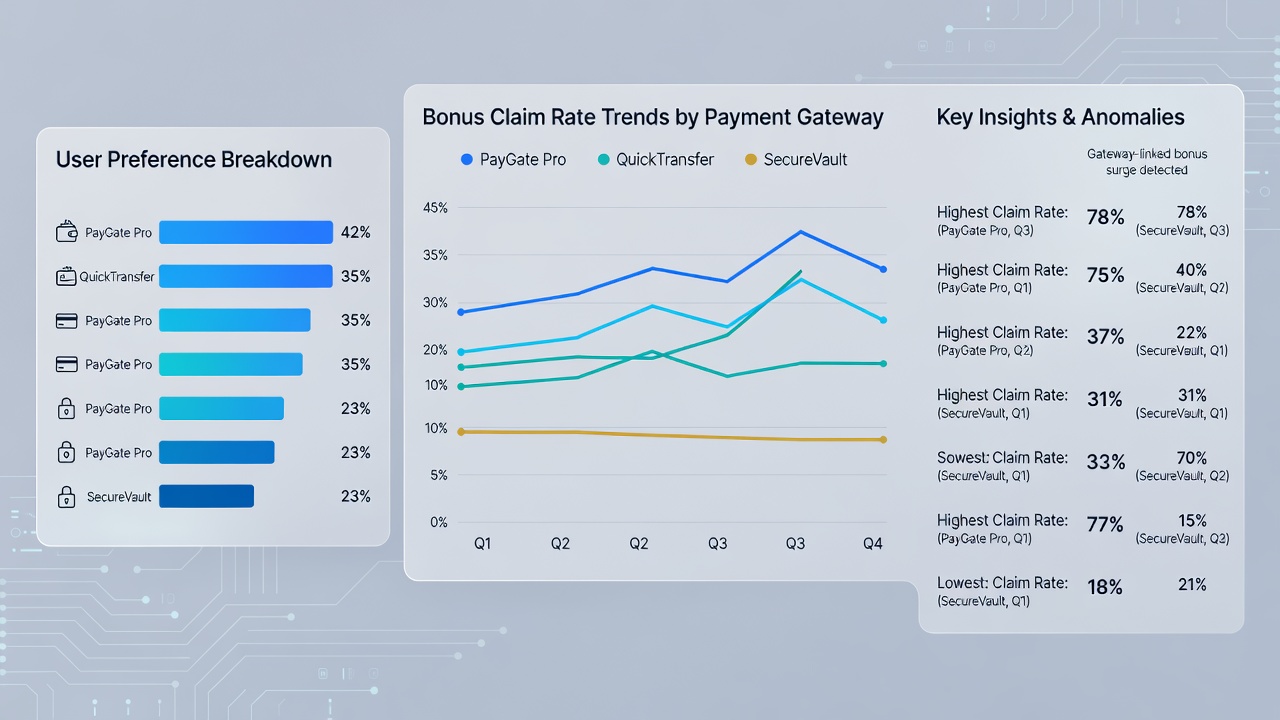
Breakdowns by age group and geographic location further refine the emerging picture. Younger users gravitate toward cryptocurrency gateways and post higher claim rates overall, while older cohorts stick with established credit options and display steadier but lower engagement. A 2025 academic paper from the University of Sydney's gambling research unit, updated with 2026 figures, confirmed these demographic splits persist across different regulatory environments in Australia and New Zealand.
Payment gateway security features also factor into the equation, with users citing instant verification as a key driver for repeated bonus activity. Platforms that streamline two-factor authentication for e-wallets report fewer abandoned claims compared with methods requiring additional manual checks. Industry observers continue to monitor whether upcoming changes in digital payment standards will alter these established patterns by the end of 2026.
Conclusion
The data assembled through 2026 illustrates consistent correlations between payment gateway selection and bonus claim activity across global platforms. E-wallets and cryptocurrencies lead in speed and frequency while traditional methods maintain steadier but smaller shares of redemptions. Continued monitoring by regulatory bodies and academic institutions will determine how these trends evolve alongside new transaction technologies and regional policy adjustments.